 GO BACK
Building a House in Kerala as an NRI: A Practical Guide
- Published
- NOV 3, 2026
- Category
- NRI Guides
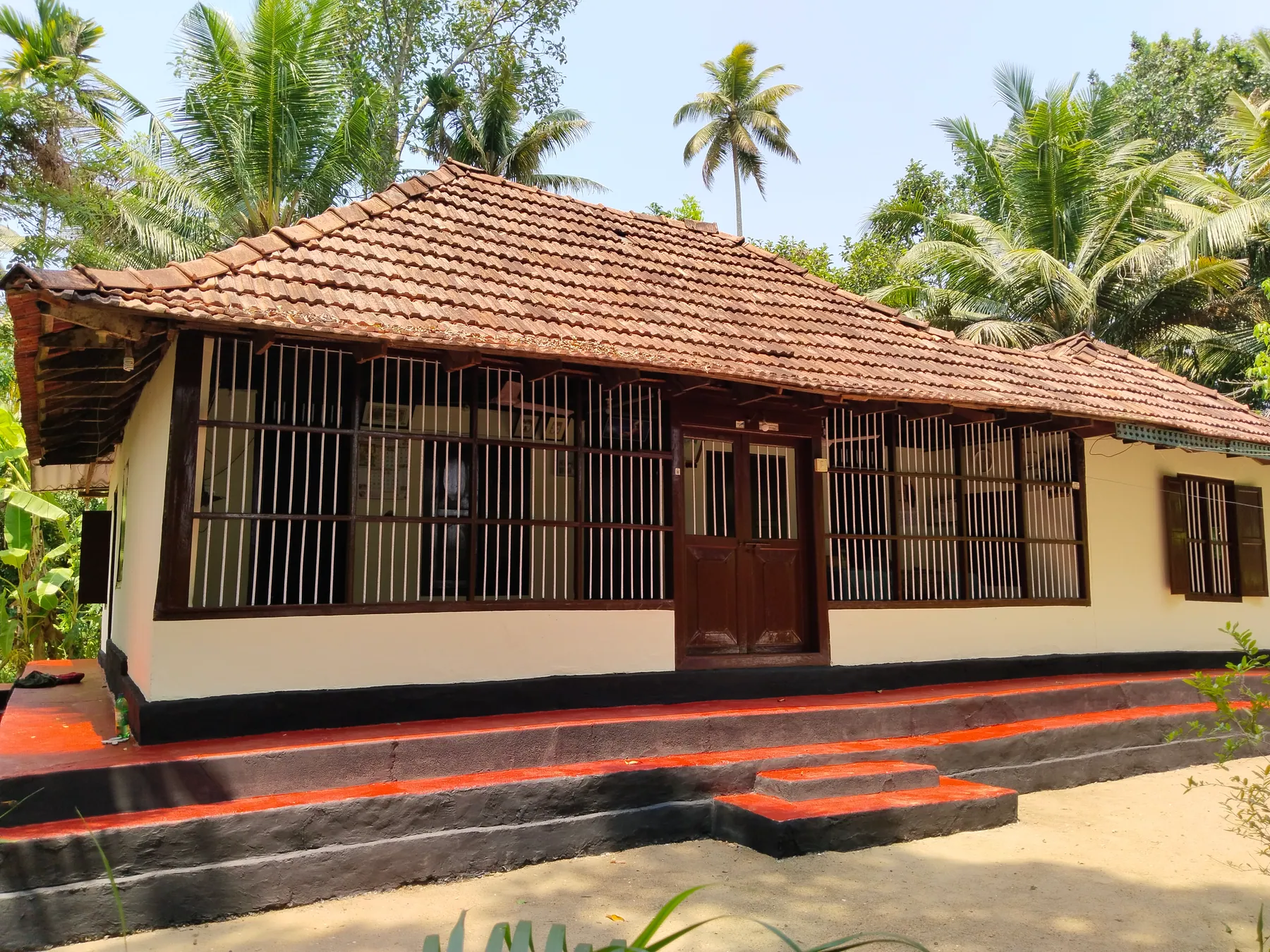
For many Malayali families abroad, the house back home is the project. It is where you will spend your holidays, where your parents may live, and, for many in the Gulf, where you plan to settle one day. Building it from Dubai, Doha, London or Houston is entirely possible, and thousands of NRIs do it every year. It does, however, need a different kind of planning from a build you can visit every weekend.
The problems NRIs run into are rarely about bricks and concrete. They are about paperwork that cannot be signed from abroad, money sent without a clear record, and decisions made on the phone that nobody wrote down. This guide walks through the parts you can set up properly from day one: the land, the power of attorney, payments, monitoring and the handover.
It is general information, not legal or tax advice. For the specifics of your situation, a Kerala property lawyer and a chartered accountant who works with NRIs are worth their fees.
Start with the land, not the drawings
Before you spend on an architect, make sure the land can legally carry the house you have in mind.
- Check the title. Get copies of the title deed, earlier deeds and an encumbrance certificate covering a long period, often 30 years, from the sub-registrar's office. If the land came to you through family, make sure the partition deed or will is registered and that the land has been mutated into your name in the village records (pokkuvaravu).
- Check the land type. NRIs can buy residential and commercial property in India under the general permission, but not agricultural land, plantation property or farmhouses. Inherited agricultural land is a different matter. Separately, Kerala's Paddy Land and Wetland Act restricts building on land recorded as paddy or wetland in the data bank, whoever owns it. Ask the village office how your survey number is classified.
- Check the basic records. Get the latest land tax receipt, possession certificate and a survey sketch. These are needed for the building permit anyway.
- Look at the site in the monsoon, or ask someone you trust to. Waterlogging and access problems are much easier to see in July than in January.
The power of attorney: your most important document
Unless you can fly home for every signature, you will need someone in Kerala who can act for you: a parent, sibling or trusted friend. That authority is given through a power of attorney (POA).
Special or general?
A special power of attorney lists specific acts, for example applying for the building permit, signing the construction contract, applying for electricity and water connections, and paying the local body's fees. A general power of attorney gives wide authority over your property. For a house build, a carefully drafted special POA is usually the safer choice. Spell out exactly what the holder can and cannot do, and whether they can sell, mortgage or lease the property. In most cases they should not be able to.
Executing it abroad
How you execute the POA depends on where you live:
- Countries that are party to the Hague Apostille Convention, which includes the UK, the US, Saudi Arabia, Oman and Bahrain, use an apostille from that country's designated authority.
- Countries that are not, which includes the UAE, Qatar and Kuwait, require attestation at the Indian embassy or consulate.
Once the POA reaches India, it must be stamped (adjudicated) within three months under the stamp law, and your lawyer will advise whether it also needs to be registered for the acts it covers. Drafting it in India first, in the format your sub-registrar and local body accept, saves a lot of back and forth.

Photo: Ranjithsiji, CC BY-SA 4.0, via Wikimedia Commons
Paying for the build from abroad
Keep every rupee traceable. It protects you if there is a dispute, it makes any future sale and repatriation simpler, and it keeps your tax position clean.
- Pay through your NRE or NRO account, or by inward remittance through normal banking channels. Do not hand over cash, and avoid routing payments through relatives' accounts.
- Pay the contractor's business account against invoices. Each payment should match a stage and a written bill.
- Link payments to construction milestones, such as foundation, plinth, each roof slab, plastering, flooring and handover, rather than to dates. A typical schedule front-loads very little.
- Keep a contingency of 5% to 10% in the account the POA holder can draw on, with a clear rule about what it can be used for.
- Ask your CA about tax obligations on large payments. For example, TDS rules can apply when an individual's payments to a contractor cross a threshold in a financial year, even for a personal home.
- Consider an NRI home loan. Most Indian banks offer them for construction on land you own, disbursed in stages against the engineer's progress certificates.
How the build is funded, whether from NRE, NRO or a loan, affects how much of the sale proceeds you can later send abroad, so keep the bank statements with the property file.
Watching the site from 5,000 km away
Good builders will already have a reporting rhythm. Agree on it in writing before work starts.
- A weekly photo and video update, with the date and the area of the house clearly shown.
- One WhatsApp group with you, your POA holder, the project engineer and the site supervisor. Decisions get confirmed in writing there, not just on calls.
- A shared folder for drawings, the BOQ, invoices, test reports and permits.
- Stage inspections. The moments that matter most are before each concrete pour, when steel and formwork can still be checked; before plastering, when concealed wiring and plumbing are visible; and before flooring, when waterproofing is tested. If you cannot be there, an independent engineer's visit at these stages is money well spent.
- A site camera, if the plot has power and a connection. Many families find a simple CCTV feed reassuring.
- Plan your leave around key decisions. Choosing tiles, sanitaryware and colours in person is far easier, so try to time a visit for the finishing stage.
Choosing a builder when you cannot drop in
From abroad, the builder's systems matter as much as their craftsmanship. Before you sign, look for:
- A fixed, itemised quotation that lists specifications and brands, with a clear exclusions list.
- Completed homes you can see, in photos and video, and ideally a reference from another NRI client.
- A named project engineer who will be your single point of contact.
- Experience with permits and local bodies, because your builder will often be the one following up on approvals.
- A written contract covering the payment schedule, timeline, penalties for delay, variations and the defect liability period after handover.
We built our own construction service around clients abroad: stage-by-stage photo updates, direct WhatsApp access to the team, and a quotation that does not change once work begins.
Pitfalls NRIs run into, and how to avoid them
Pitfall | How to avoid it |
|---|---|
Starting without a permit, or building beyond it | Do not allow work before the permit or acknowledgement is issued, and keep the approved plan on site |
Verbal changes that later become disputes | Confirm every change, with its cost, in writing before it is carried out |
Advance payments far ahead of work | Pay against completed stages, not promises |
A POA that is too broad | Use a special POA limited to the build, with no power to sell or mortgage |
Cheap specifications substituted on site | Name brands and grades in the contract and check deliveries in photos |
Leaving out monsoon protection | Insist on proper waterproofing, drainage and roof design, especially if the house will be closed for months |
That last point catches many NRI families. A house that stays locked through the monsoon needs good roof drainage, ventilation and termite protection. Someone also needs to visit regularly after handover.
Frequently asked questions
Can an NRI build a house on inherited family land in Kerala?
Yes, as long as the land is legally in your name and its classification allows a house. Make sure the inheritance or partition is properly documented and the land is mutated in your name. Check that it is not recorded as paddy or wetland in the data bank.
Do I need to come to Kerala for the building permit?
Not necessarily. The plans are filed online on K-SMART by a licensed designer, and a properly executed power of attorney lets a representative sign on your behalf. You will need to provide identity and ownership documents.
Can I pay the contractor directly from my NRE account?
Yes. Payments for a house in India can be made from NRE, NRO or FCNR accounts or by inward remittance through banking channels. Pay the contractor's business account against invoices so there is a clean record.
How often should I visit during construction?
Many NRI clients manage the whole build with one or two visits: one at the start to meet the team and walk the site, and one at the finishing stage to choose materials. Stage-wise photos and an independent inspection at critical points cover the rest.
Building your Kerala home from abroad
You do not need to be in Kochi to build well in Kochi. You need the land checked, the paperwork set up properly and a team that reports clearly. If you are planning a home from the Gulf, the UK or the US, start with a rough estimate on our cost configurator, then send us your plot details. We are happy to schedule a call around your time zone.
Cover photo: Varghesepunnamada, CC BY-SA 4.0, via Wikimedia Commons